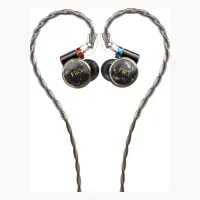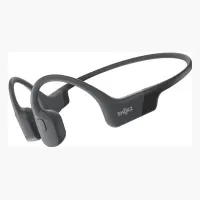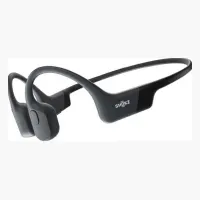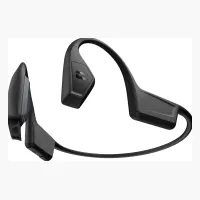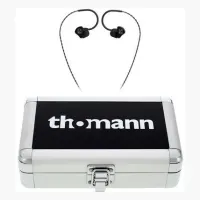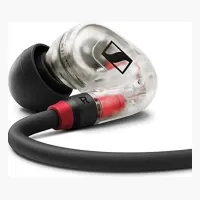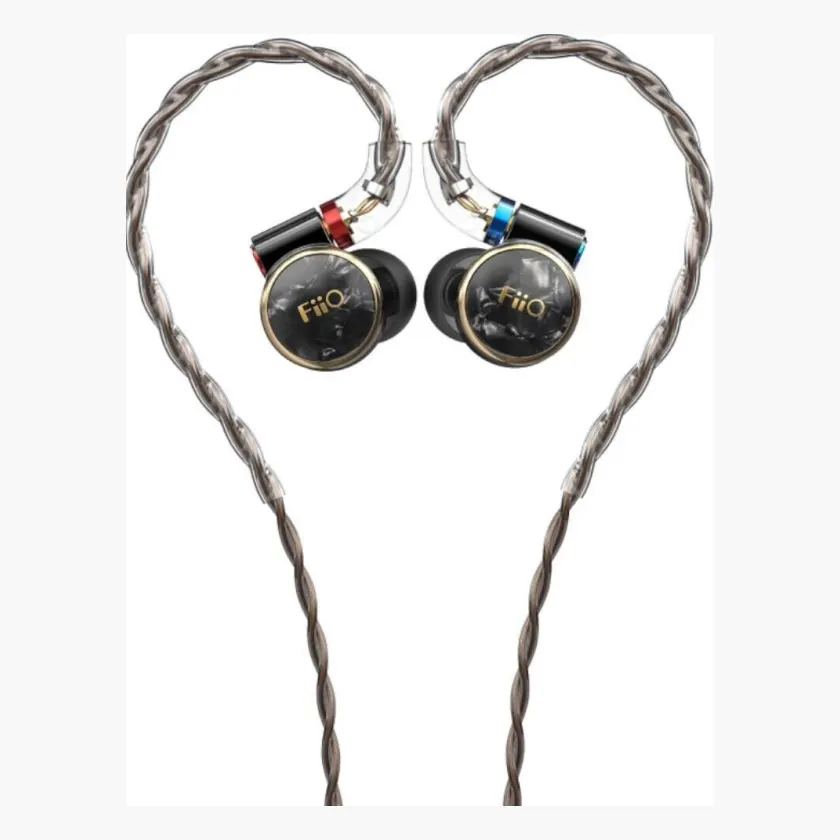
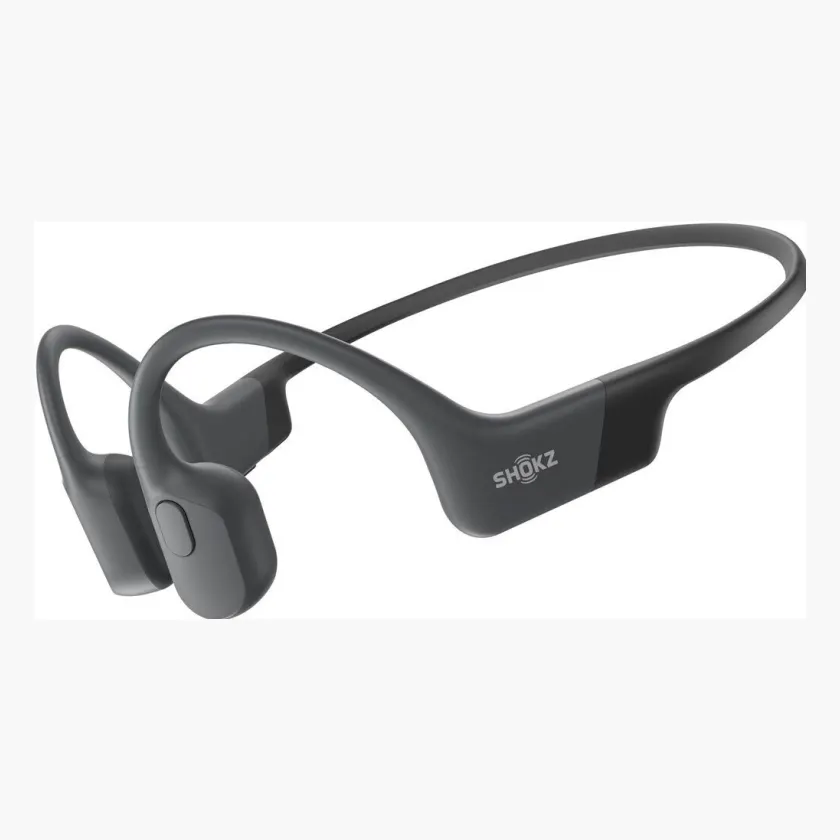
Why is FD3 better than OpenRun USB-C?
- Weight7 g vs 26 g3.7×
- Lowest frequency10 Hz vs 20 Hz2×
- Highest frequency40,000 Hz vs 20,000 Hz2×
Why is OpenRun USB-C better than FD3?
OpenRun USB-C has no measurable advantages in this pair.
Specifications
Side by side
| Sound | ||
| Fit | In-ear | Bone conduction |
| Ear cup design | Semi-open | Open-back |
| Driver type | Dynamic | Dynamic |
| Lowest frequency | 10 Hz | 20 Hz |
| Highest frequency | 40,000 Hz | 20,000 Hz |
| Impedance | 32 Ω | 8 Ω |
| Sensitivity | 111 dB | 105 dB |
| Hi-Res Audio | Yes | — |
| Adjustable equaliser | — | Yes |
| Battery & charging | ||
| Battery life | — | 8 h |
| Battery capacity | — | 160 mAh |
| Charging time | — | 1.5 h |
| Fast charging support | — | Yes |
| Connectivity | ||
| Wireless | No | Yes |
| Bluetooth version | — | 5.1 |
| Bluetooth codecs | — | SBC |
| Hi-res codec (LDAC / aptX HD / LHDC) | — | No |
| aptX | — | No |
| LDAC | — | No |
| Multipoint (two devices) | — | Yes |
| USB-C | — | Yes |
| Design & build | ||
| Weight | 7 g | 26 g |
| Protection rating | — | IP67 |
| Water resistance (IPx) | — | IPx7 |
| Dust protection (IP) | — | 6 |
| Features | ||
| Hands-free calls | — | Yes |