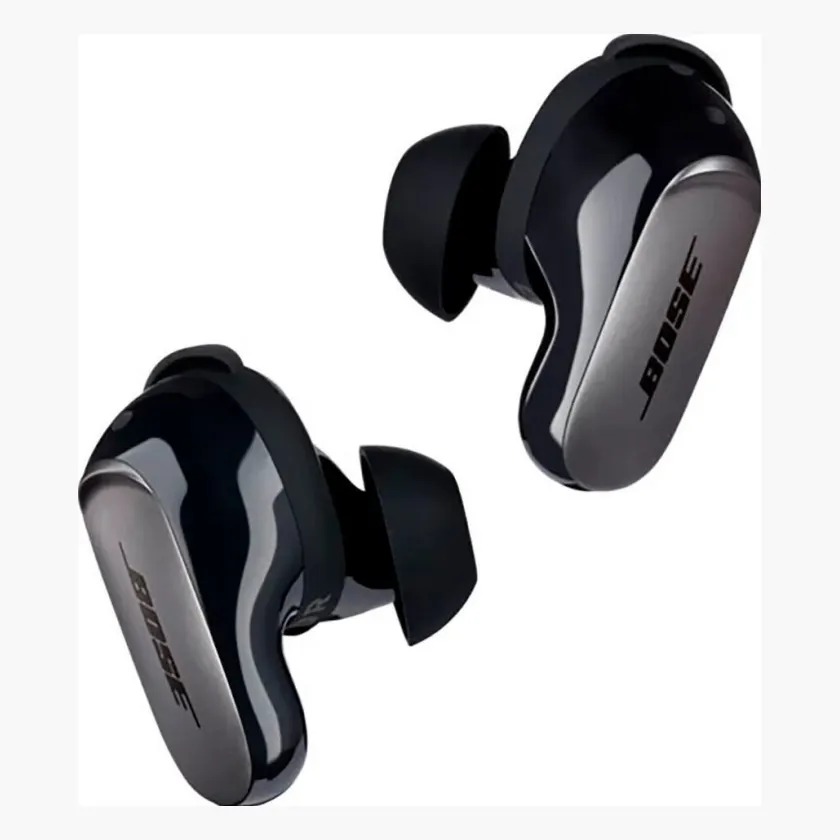
vs
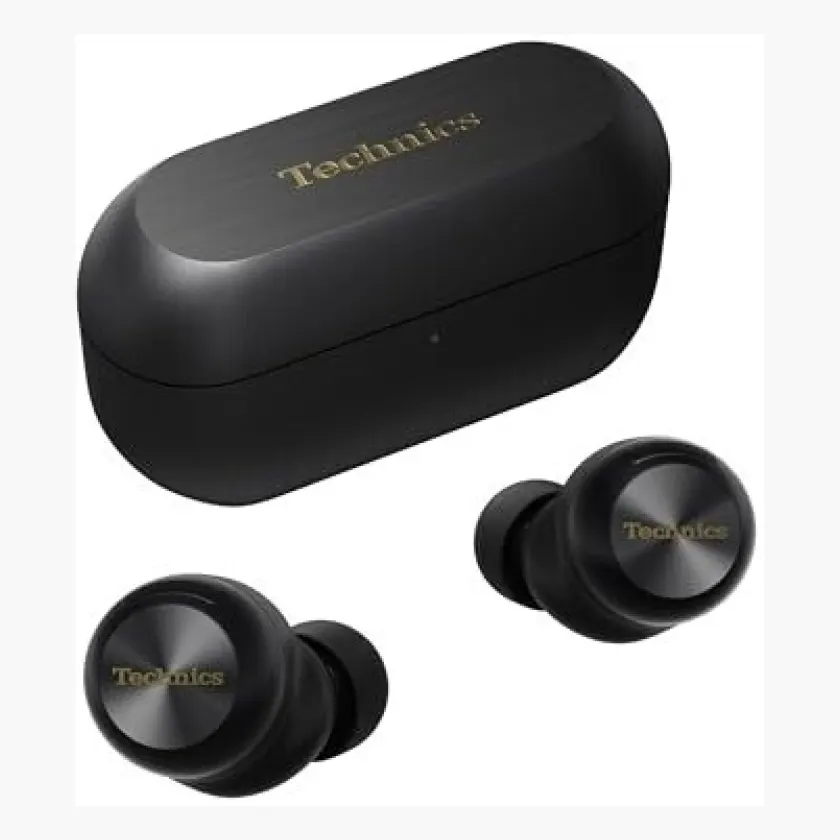
5.5Noise control & calls6.0
3.7Battery5.6
2.3Build & features3.8
Why is QuietComfort Ultra Earbuds (2nd Gen) better than EAH-AZ100?
- Charging time1 h vs 2 h2×
- aptXYes · EAH-AZ100: No
Why is EAH-AZ100 better than QuietComfort Ultra Earbuds (2nd Gen)?
- Battery life6 h vs 8 h+33%
- Hi-res codec (LDAC / aptX HD / LHDC)No · QuietComfort Ultra Earbuds (2nd Gen): Yes
- Battery life with ANC4 h vs 7 h+75%
- Total with charging case24 h vs 29 h+21%
- LDACNo · QuietComfort Ultra Earbuds (2nd Gen): Yes
- Earbud weight (each)10 g vs 5.9 g+69%
Specifications
Side by side
| Sound | ||
| Fit | In-ear | In-ear |
| Ear cup design | Closed-back | Closed-back |
| Driver type | Dynamic | Dynamic |
| Driver size | — | 10 mm |
| Lowest frequency | — | 20 Hz |
| Highest frequency | — | 40,000 Hz |
| Spatial / 3D audio | Yes | — |
| Dolby Atmos | — | Yes |
| Hi-Res Audio | Yes | Yes |
| Adjustable equaliser | Yes | Yes |
| Noise control | ||
| Active noise cancelling | Yes | Yes |
| Adaptive ANC | Yes | — |
| Transparency / ambient mode | Yes | Yes |
| Microphones | 4 | — |
| Noise reduction for calls | — | Yes |
| Battery & charging | ||
| Battery life | 6 h | 8 h |
| Battery life with ANC | 4 h | 7 h |
| Total with charging case | 24 h | 29 h |
| Charging time | 1 h | 2 h |
| Fast charging support | Yes | Yes |
| Wireless charging (case) | Yes | Yes |
| Connectivity | ||
| Wireless | Yes | Yes |
| Bluetooth version | 5.3 | 5.3 |
| Bluetooth codecs | aptX | LDAC, AAC, SBC |
| Hi-res codec (LDAC / aptX HD / LHDC) | No | Yes |
| aptX | Yes | No |
| LDAC | No | Yes |
| Multipoint (two devices) | Yes | Yes |
| LE Audio | — | Yes |
| USB-C | Yes | Yes |
| Smart & streaming | ||
| Companion app | Yes | — |
| Design & build | ||
| Earbud weight (each) | 10 g | 5.9 g |
| Protection rating | IPX4 | IPX4 |
| Water resistance (IPx) | IPx4 | IPx4 |
| Features | ||
| Touch controls | Yes | Yes |
| Hands-free calls | Yes | Yes |
Related comparisons
 vs
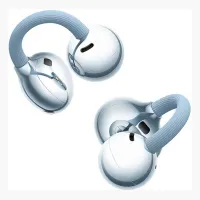 Bose QuietComfort Ultra Earbuds (2nd Gen)vsHuawei FreeClip 24.88.6vs
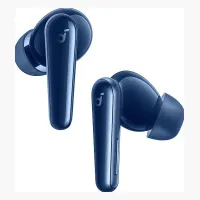 Bose QuietComfort Ultra Earbuds (2nd Gen)vsSoundcore Liberty 54.89.1vs
 Bose QuietComfort Ultra Earbuds (2nd Gen)vsSony WF-C710N4.87.0
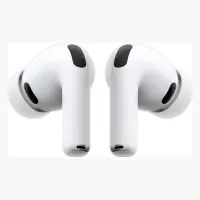 vsApple AirPods Pro 3vsBose QuietComfort Ultra Earbuds (2nd Gen)9.04.8
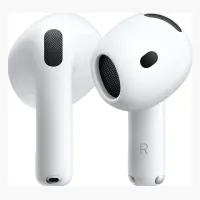 vsApple AirPods 5vsBose QuietComfort Ultra Earbuds (2nd Gen)6.34.8
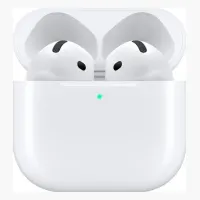 vsApple AirPods 4vsBose QuietComfort Ultra Earbuds (2nd Gen)4.34.8